Wednesday, 5 February 2020

How to Treat Low Blood Sugar: 7 Tricks Every Diabetic Should Know

Low blood sugar (hypoglycemia) is a common yet scary side effect of diabetes—but a little preparation can go a long way toward treating an attack.

What causes hypoglycemia?

ISTOCK/ERNA VADER
Taking certain diabetes medications, skipping meals, not consuming enough carbs, and even too much exercise can throw your blood sugar off balance and cause low blood sugar. Insomnia and excessive alcohol consumption have also been linked to low glucose levels. When blood sugar dips to a level that’s too low to sustain normal functioning—in most people, that’s below 70 mg/dl—it results in a hypo attack with varying symptoms depending on its severity. People who have recurring bouts of low blood sugar may have no warning signs at all, explains Michael Bergman, MD, endocrinologist and clinical professor of medicine at NYU Langone Medical Center. This is known as hypoglycemic unawareness; the longer you’ve had diabetes, the more common it is. On the milder end of the low blood sugar spectrum, you may feel hungry, nauseated, jittery, nervous, and have cold and clammy-feeling skin. Many people also describe the feeling that their heart is racing or pounding. Low blood sugar can happen at night, too, causing nightmares and night sweats. Moderate low blood sugar can cause behavioral changes, making you fearful, confused, or angry. It can also trigger blurry vision, slurred speech, and problems with balance and walking. A layperson may even mistake you for being drunk. If left untreated, severe low blood sugar can cause loss of consciousness, seizures, irreversible brain or heart damage, coma, or even death. Here are first aid tips to handle a diabetic emergency.

Follow the 15-15 rule

ISTOCK/GEBER86
It goes like this: If your blood sugar reading is low (below 70 mg/dl), eat or drink something equal to 15 grams of fast-acting carbohydrate (4 ounces of juice). Even if you feel okay, don’t wait for the symptoms of hypoglycemia to kick in. Rest for 15 minutes and re-check your blood glucose. Still low? Repeat the process until your blood sugar reaches a healthy range. Make sure your blood sugar has returned to normal before then eating a meal, warns Elizabeth Halprin, MD, clinical director of the Adult Diabetes Section at Joslin Diabetes Center and instructor of medicine at Harvard Medical School. If your next meal is more than an hour away, snack on one carbohydrate choice to keep your blood sugar from dipping again.

Stock up on the right snacks

ISTOCK/YELENAYEMCHUK
A mild case of hypoglycemia can be treated quickly by eating or drinking a small portion of glucose-rich food, or food equal to one carbohydrate choice (15 grams of carb). “As hard as it might be, try not to over-treat the low sugar,” says Dr. Halprin. “Keep in mind that the symptoms last much longer than the actual low.” Don’t leave home without the following fast-acting carbs, equivalent to 15 to 20 grams: three or four glucose tablets; four or five saltine crackers; five or six pieces of hard candy; two tablespoons of raisins; one serving of glucose gel; a half cup of fruit juice or regular soda; a cup of milk; or one tablespoon of honey. Check out these diabetic-friendly snack ideas.

Treat your low blood sugar before you drive

ISTOCK/M-GUCCI
If you have hypoglycemic unawareness—and won’t notice the symptoms before it’s too late—the National Highway Traffic Safety Administration advises letting someone else do the driving. Just as you shouldn’t drive when you’re sleep-deprived, if you have diabetes, you should never hit the road hungry. Test your blood sugar before you start the engine. If it’s not in the target range, treat it, then wait 15 minutes and recheck to make sure you’re good to go. For extra protection, eat a protein-rich snack (like a small apple and quarter cup of trail mix) before your trip. If you experience any low blood sugar symptoms while driving, pull over immediately.

Get a glucagon kit

ISTOCK/DOLGACHOV
When blood sugar levels dip dangerously low, you may not be awake enough to eat or drink something to get them back up. If this occurs, you’ll need a glucagon shot, explains Dr. Bergman. Glucagon is a hormone that helps raise blood sugar levels quickly. Your doctor can prescribe a glucagon kit—and you should keep it in a place where your loved ones can easily access it.

Rock a medical ID

ISTOCK/ANANKKML
It’s important to have a medical alert device in case of a severe hypoglycemic episode—and it doesn’t have to be in the form of a boring, clunky bracelet or necklace. The medical alert market now boasts everything from super-stylish jewelry designs (for women and men) to tattoos people design themselves. Just be sure that whichever style you choose is etched with your key health information. Some IDs even include compact USB drives that can carry a person’s full medical record for use in an emergency, according to the America Diabetes Association.

Become a self-test pro

ISTOCK/MONKEYBUSINESSIMAGES
The only way to know for sure if your blood sugar is getting too low is to test your glucose levels. To get the most accurate results, be sure to keep your meter at room temperature, check the expiration date of all your testing supplies, and wash your hands with warm, soapy water (and dry them well) before pricking your finger. Humidity, outdated test strips, and wet fingers can make your test results unreliable. Track your results, such as with the online tool at diabetes.org, and take them to your next doctor’s appointment. Together you can figure out any blood sugar patterns.

This One Simple Step Could Save Type 1 Diabetics from a Heart Attack

A new study reveals the potential benefits of an extra shot of insulin.

This One Trick Could Save Diabetics from a Heart Attack IGORSTEVANOVIC/SHUTTERSTOCK
As if a diagnosis of type 1 diabetes—the inherited type—wasn’t bad enough, it comes with the knowledge that your risk of heart disease will be 10 times higher than that of the general population. Now comes news that there may be a way to manage that risk: A small preliminary clinical trial has found that one additional injection of insulin three hours after higher-fat meals may protect people with type 1 diabetes from heart troubles.
In order to control blood sugar, people with type 1 diabetes typically inject insulin after mealtimes, basing their dosage on the amount of carbs in their food. However, fat—which insulin also helps process—slows down digestion. That means sugars and fats can hit the bloodstream after insulin levels have diminished. Without insulin, levels of sugars and fats soar, damaging blood vessels and increasing inflammation—the very conditions that boost the risk of heart disease.
The trial, published in Diabetes and Vascular Disease Research, involved type 1 diabetics who were given meals made up of identical amounts of carbohydrate and protein; the only difference was that some of the meals were high in fat, while others were low. After downing a low-fat meal, the participants injected insulin as usual. Following a high-fat meal they did the same, but then, three hours later, they injected another dose of fast-acting insulin at one-third the strength of the post-meal shot.
As the researchers expected, one insulin injection was enough to normalize blood levels after the low-fat meal. But the high-fat meal was a different story: Upon analyzing the men’s blood samples—taken every half hour for six hours after the meal—the researchers found that blood levels of sugar, fat, and inflammation markers remained elevated. The extra insulin injection was necessary to get everything back to normal.
This One Trick Could Save DiabeticsNOPPAWAN09/SHUTTERSTOCK
Of the findings, co-author of the study, Dr. Matthew Campbell from Leeds Beckett University, said in a press release: “Many people with type 1 diabetes struggle to regulate their blood sugar levels around mealtimes, because the fat content in their food is metabolized after their standard insulin injection has lost its potency or has left their blood.” Campbell noted the need for advice to be given to people with type 1 diabetes to be updated, and that the researchers’ findings should be included.
According to co-author Dr Daniel West, of Newcastle University, while improving sugar and fat levels in the blood after eating is vital for long-term health of the heart and blood vessels, “calculating insulin injection dose based on carbohydrates alone is clearly too simplistic, as most people eat meals that include fat and protein too.”
Registered dietitian Nicole Osinga feels it may be too soon to act on this small study. “It is true that a higher fat meal takes longer to metabolize, leading to a later spike in blood sugar. This is where more insulin after a meal is eaten could make sense,” she said. “However I’m afraid this can be potentially confusing for the public. People with type 1 diabetes have a lot to keep track of and calculate already, and there may be an increased burden to calculate the fat grams and carbohydrate grams and dose insulin appropriately.” Osinga worries that this can really take the pleasure out of eating as well.
The study’s authors now intend to begin a larger scale trial, which will perhaps bring more weight for or against its claims that an additional injection at a smaller dose is beneficial.

11 Things You Need to Know About Diabetic Ketoacidosis

If you or a loved one has diabetes, you will definitely need to be on the lookout for this potentially life-threatening complication.

What is diabetic ketoacidosis?

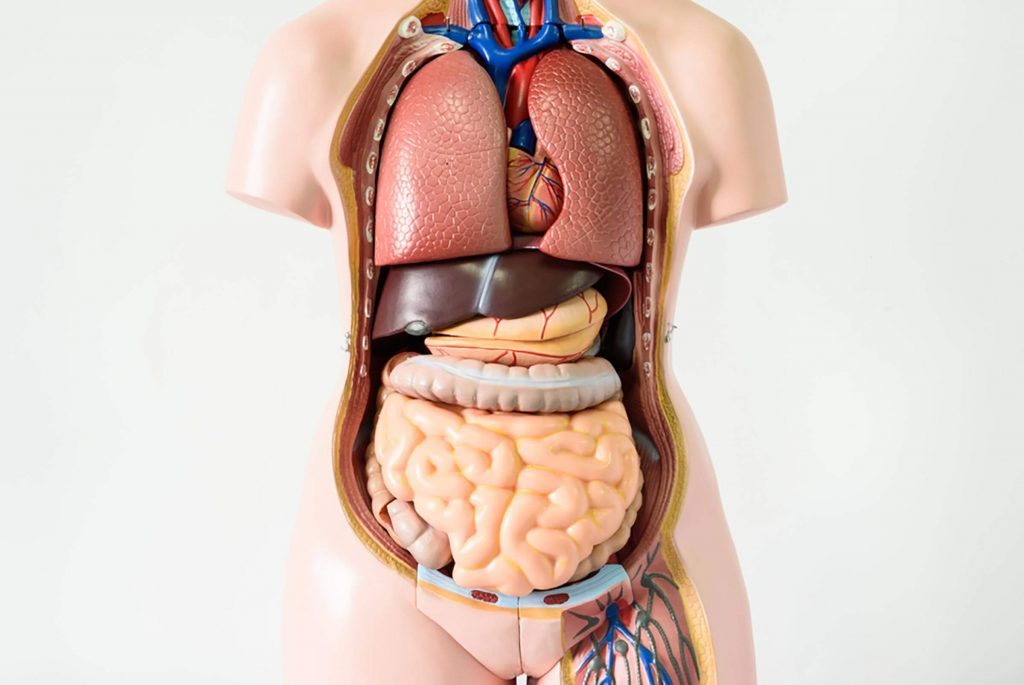
anatomyKOMSAN LOONPROM/SHUTTERSTOCK
It’s a very serious condition in both types of diabetes that stems from a combination of high blood glucose and low levels of insulin, which prompts your body to produce an overload of ketones, something that can be toxic to your organs. Learn about the big differences between type 1 and type 2 diabetes.

Who’s at risk

doctorUZHURSKY/SHUTTERSTOCK
Among people with diabetes, diabetic ketoacidosis (DKA) is most frequently seen in people who have type 1 diabetes. “After a while in type 1, the body essentially produces no insulin,” says Louis Philipson, MD, PhD, director of the Kovler Diabetes Center at the University of Chicago. When insulin is low, it makes your liver and other tissues think that you’re starving. “Your liver tries to step in and save the day by making ketones,” he continues. Your body uses these ketones in an effort produce energy, and when insulin drops as in the case with type 1 diabetes, your liver keeps generating more and more ketones. DKA can also, though less commonly, happen in patients with type 2 diabetes if they have severe insulin resistance. Check out this step-by-step plan to reverse type 2 diabetes.

It can be life-threatening

MARCOS MESA SAM WORDLEY/SHUTTERSTOCK
Because ketones are acids, your blood becomes more and more acidic as ketones build up. If you develop it, you may experience diabetic ketoacidosis symptoms like stomach pain, nausea, vomiting, and a fruity odor to your breath. The condition can progress, eventually making it difficult for your heart to beat, for you to breathe, and causing organ failure, says Dr. Philipson. “Severe DKA is an emergency,” he says. Make sure you know what to do in a diabetic emergency.

DKA can happen before a diabetes diagnosis

scaleBILLION PHOTOS/SHUTTERSTOCK
Diabetic ketoacidosis can come on quickly—even in people who are still developing type 1 diabetes but haven’t yet been diagnosed. That’s why it’s crucial to know the symptoms of type 1 diabetes in children, too “DKA can evolve after a couple weeks while your own insulin levels are starting to come down,” says Liana K. Billings, MD, an endocrinologist in diabetes and metabolism and clinical assistant professor at NorthShore University HealthSystem. You may experience symptoms like increased urination, thirst, or rapid weight loss, signs that can be present in both type 1 and type 2 diabetes. If you or a loved one has these symptoms, call a doctor immediately.

If you’re ill, don’t stop taking your meds

medicineSYDA PRODUCTIONS/SHUTTERSTOCK
Sometimes, a patient with type 1 diabetes will stop taking insulin if they’re not able to eat or they have nausea or are vomiting due to illness, and that can speed up the onset of DKA. “Even in acute illnesses or times of physical stress like surgery or a heart attack, you need to continue your insulin therapy to avoid DKA. I give patients ‘sick rules’ so they know what to do in case of an acute illness,” says Dr. Billings. Along with taking insulin as normal, you will also want to check your blood sugar regularly. “If there’s any sign of your blood sugar becoming very elevated and you experience symptoms, contact your doctor,” she adds. These medicine-free stomach ache remedies may help.

There may be a problem with your insulin pump

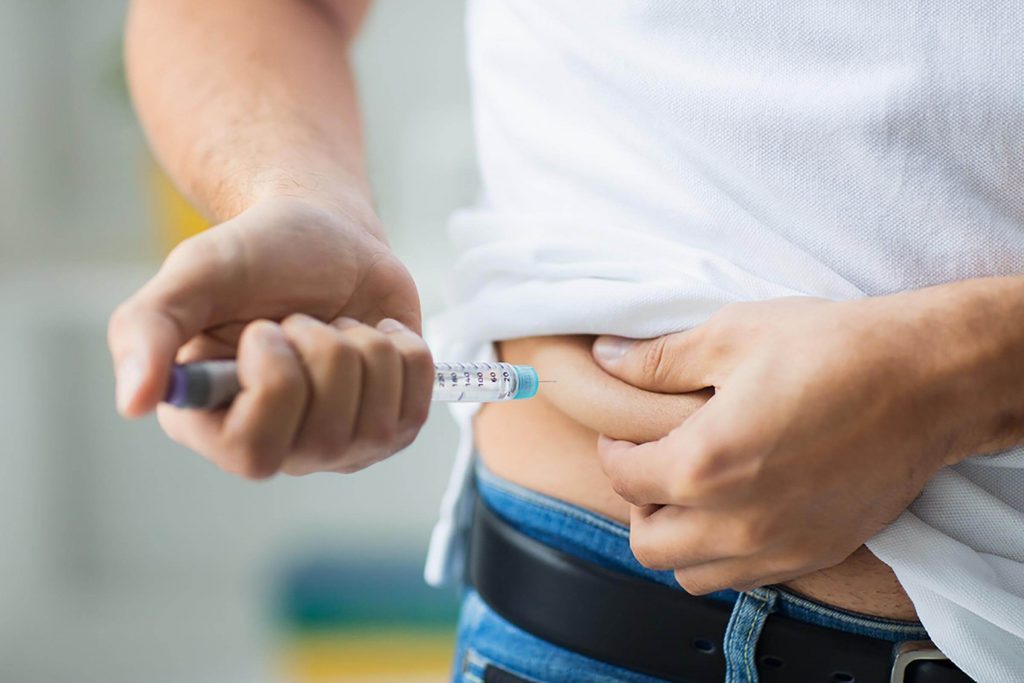
insulinCLICK AND PHOTO/SHUTTERSTOCK
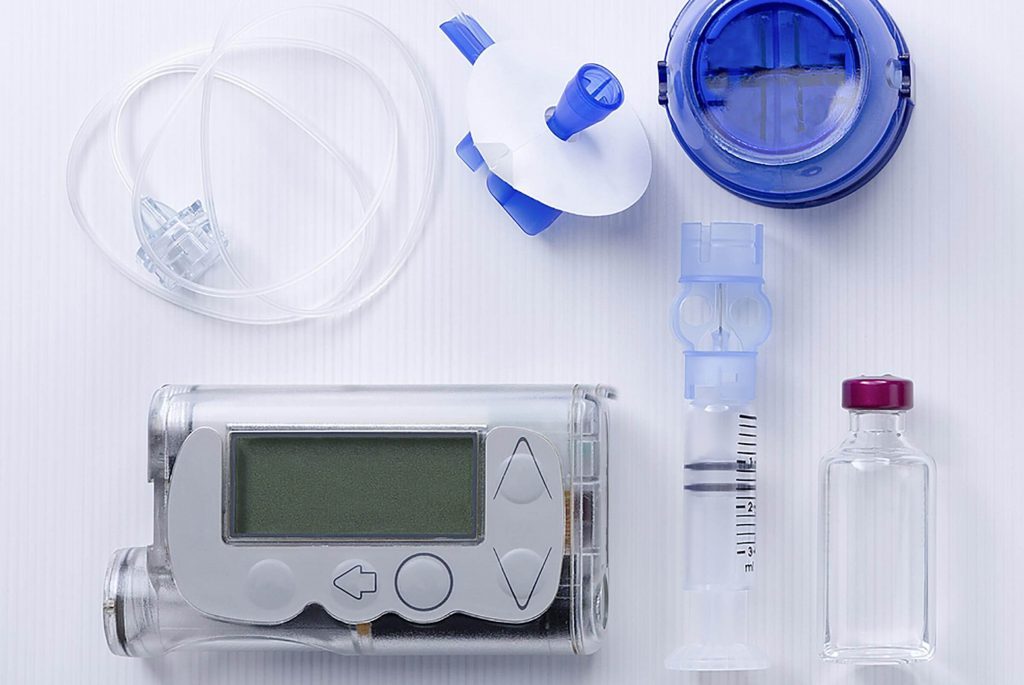
If you rely on an insulin pump to deliver doses of insulin throughout the day, a malfunctioning pump could inadvertently leave you at risk for diabetic ketoacidosis. “Even an informed patient can develop DKA due to a pump malfunction,” says Dr. Billings. The symptoms can come on quickly or they can take time, so check your insulin pump regularly, and make sure that it’s working as it should, and monitor your blood sugar as advised by your doctor. Check out these seven ways to maintain healthy blood sugar levels.

The treatment is insulin

urine testTINYDEVIL/SHUTTERSTOCK
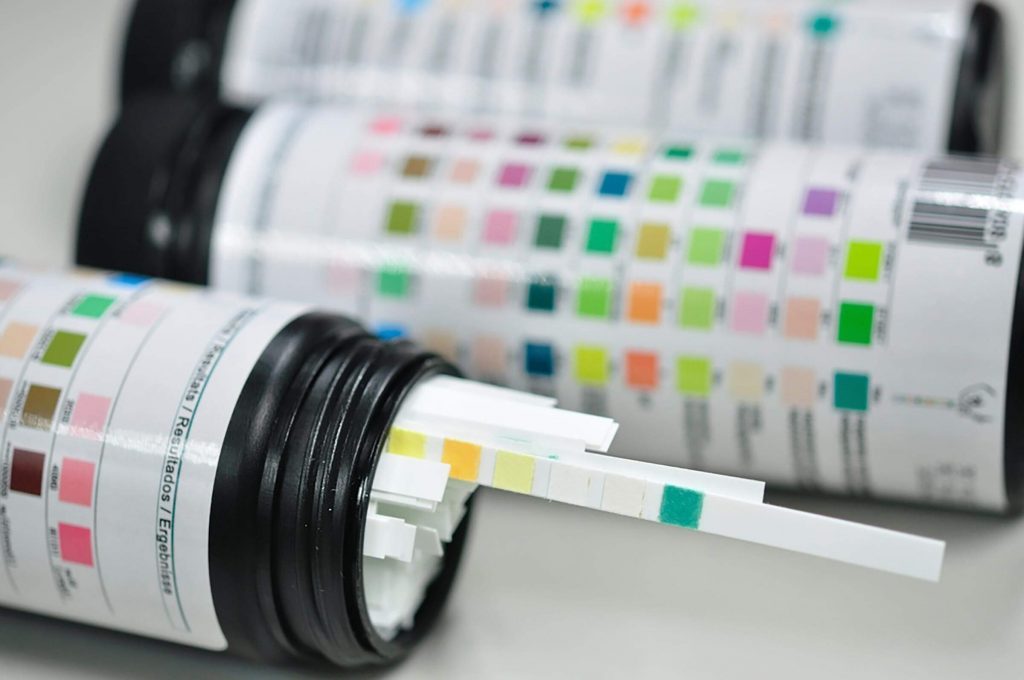
If you suspect DKA due to symptoms, you may be able to test yourself. Ask your doctor about urine strips that you can use to analyze for ketones. Then, call your doctor. Depending on your levels, you may be treated with insulin (or be advised to eat carbohydrates) and take in fluids. If you experience nausea or vomiting, you may not be able to eat. In that case, you need to go to the ER (or call an ambulance if someone isn’t available to drive you), says Dr. Philipson. Read these 50 ER secrets to make sure you’re getting the best care.

It may be possible you can stay home

coffeeHALFPOINT/SHUTTERSTOCK
Maybe you’ve had type 1 diabetes for a while and monitor your blood sugar regularly. If you’ve caught the problem early, and aren’t experiencing symptoms, it may be possible for you to avoid the ER. Dr. Billings says that it may be remedied by taking a dose of insulin with a syringe—read these insulin injections FAQs— checking your blood sugar frequently, and waiting to see if you can get back on track. Because DKA can be a serious condition, “this strategy needs to be discussed with your doctor before attempting,” she says. Only treat yourself at home—and with caution—if you’ve been given the OK.

Avoiding ketogenic diets is a good idea

mealSYDA PRODUCTIONS/SHUTTERSTOCK
If you have diabetes, you may have heard that a ketogenic diet can actually be good for you—especially if you have type 2 diabetes and are trying to manage your weight. The idea is that eating a high fat, low-carb diet will prompt your liver to make ketones. Your body then burns ketones rather than glucose for fuel, and taps into your body’s fat stores for weight loss. However, Dr. Philipson cautions against deliberately increasing ketones if you have diabetes. “I do think it’s dangerous,” he says. Learn more about the ketogenic plan and other fad diets that are dangerous for diabetics.

You don’t recover immediately

sadWAYHOME STUDIO/SHUTTERSTOCK
Just because you’ve made sure to take your insulin dose or started eating doesn’t mean that you’ll bounce back right away. While Dr. Billings says that recovery varies for each person, depending on the degree of how serious their DKA was, she notes that it may take one to three days to recover. Here’s how to improve your hospital stay to make it more comfortable.

Diabetic ketoacidosis can be prevented

medicineSYDA PRODUCTIONS/SHUTTERSTOCK
This is certainly not an inevitable complication of diabetes. “Along with regular blood sugar monitoring and contact with your doctor, insulin is the key therapy for preventing DKA,” says Dr. Billings. As long as you remain vigilant with your care, you can stay healthy.